Every child develops communication skills at their own pace, but difficulties with speaking, understanding language, expressing thoughts, or interacting with others can affect more than conversation. They may also influence a child’s confidence, classroom participation, social relationships, and ability to learn. This is where Speech & Hearing Clinic in Ravet can play an important role by providing professional assessment and personalised support.
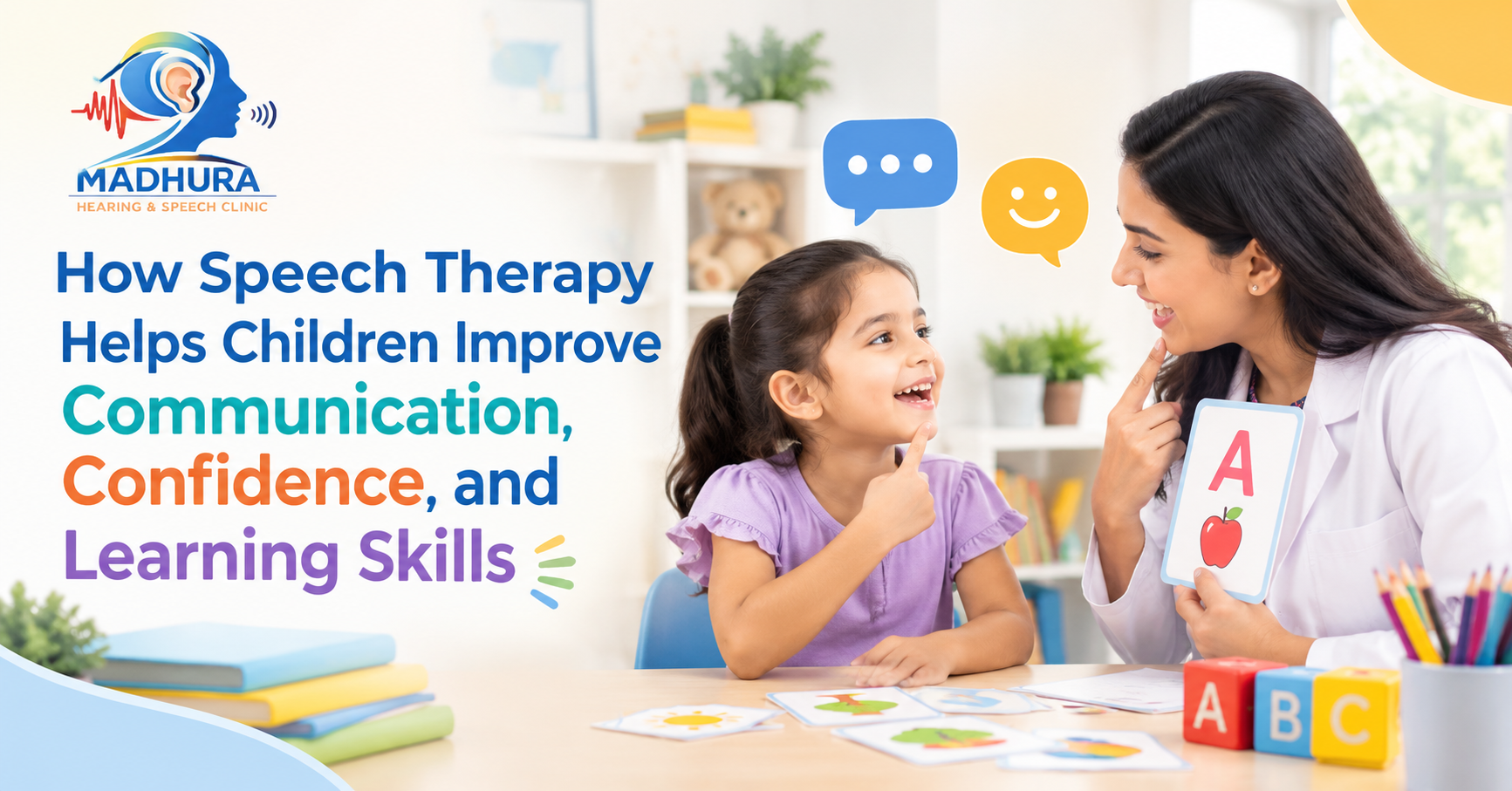
Speech Therapy for Kids focuses on helping children communicate more clearly and effectively. Depending on the child’s needs, therapy may work on speech sounds, vocabulary, sentence formation, understanding instructions, social communication, fluency, or other communication skills. Early identification and appropriate support can make it easier for children to develop skills that are important at home, in school, and in everyday life.
What Is Speech Therapy for Kids?
Speech therapy is not only about helping a child pronounce words correctly. A speech-language professional may assess several areas of communication, including how a child understands language, expresses ideas, produces speech sounds, uses language socially, and communicates during everyday activities.
Some children may need help because they speak fewer words than expected for their age. Others may have difficulty forming sentences, following instructions, telling stories, answering questions, or being understood by others.
Communication development varies between children, so developmental milestones should be viewed as general guidance rather than a diagnosis. If a child is missing several age-related skills, is not continuing to develop new communication skills, or loses skills they previously had, professional evaluation may be appropriate.
How Speech Therapy Improves Communication Skills
One of the main goals of therapy is to make communication easier and more functional for the child.
A therapist may use age-appropriate games, conversations, pictures, books, activities, and structured exercises to encourage communication. The exact approach depends on the child’s age, abilities, and specific difficulties.
1. Improving Speech Clarity
Some children know what they want to say but have difficulty producing certain sounds clearly. This can make their speech difficult for parents, teachers, or other children to understand.
Therapy can help children practise specific sounds and learn how to use them correctly in words and sentences. With regular practice, children can gradually become easier to understand in everyday conversations.
2. Building Vocabulary and Sentences
Children need vocabulary to express what they think, feel, want, and experience. Therapy can support children who have difficulty learning new words or putting words together into meaningful sentences.
Activities may focus on:
- Learning and using new vocabulary
- Combining words into sentences
- Answering and asking questions
- Describing objects and activities
- Telling simple stories
- Understanding and following instructions
Language difficulties can sometimes affect both communication and learning because children may struggle to understand instructions, learn new words, organise their thoughts, or express what they know.
3. Supporting Social Communication
Communication is more than speaking. Children also need to learn how to listen, take turns, respond appropriately, understand questions, maintain conversations, and communicate with other children.
Speech therapy may therefore include activities that encourage appropriate social interaction. These skills can help children participate more comfortably in play, classroom activities, and conversations with family members.
How Better Communication Can Build Confidence
When children repeatedly struggle to communicate, they may become frustrated or avoid situations where they are expected to speak. A child who is frequently misunderstood may also become hesitant to answer questions or participate in group activities.
As communication skills improve, children may find it easier to express their needs and ideas. Successfully communicating a message, answering a question, joining a conversation, or being understood by others can provide positive experiences that encourage further participation.
This does not mean speech therapy automatically changes a child’s personality or guarantees increased confidence. Rather, improving practical communication abilities can remove some of the barriers that may make social and classroom interactions difficult.
For some children, communication difficulties may also be mistaken for shyness or behavioural problems. For example, a child who does not understand an instruction may appear to be ignoring it, while a child who cannot easily express their thoughts may become frustrated. Understanding the underlying communication difficulty can help families and teachers respond more appropriately.
Speech Therapy and Learning Skills
Communication and learning are closely connected. Children use language to understand teachers, answer questions, follow instructions, learn new concepts, describe experiences, and demonstrate what they know.
Speech therapy may support skills that are useful for learning, such as listening, understanding language, vocabulary development, storytelling, and following directions.
For example, a child may practise listening to a short story and answering questions about it. Another child may work on understanding concepts such as before and after, following multi-step instructions, or explaining an event in the correct order.
Some language difficulties can also affect reading and writing as children grow older. Developmental language difficulties may involve speaking, listening, reading, and writing, which is why identifying communication concerns early can be valuable.
When Should Parents Consider Speech Therapy?
Parents do not need to wait until a communication difficulty becomes severe before seeking advice. Every child develops differently, but certain concerns deserve attention, particularly when they persist or affect everyday life.
Consider discussing an evaluation if your child:
- Is significantly behind expected communication milestones
- Has difficulty understanding simple instructions
- Is difficult for others to understand
- Struggles to form age-appropriate sentences
- Has difficulty finding or using words
- Avoids communication because of frustration
- Has noticeable difficulty participating in conversations
- Has lost communication skills they previously developed
Hearing is also an important part of communication development. Hearing difficulties can affect speech and language development, which is why hearing may be considered during an assessment when appropriate.
What Can Parents Do at Home?
Therapy works best when communication practice becomes part of everyday life. Parents can support development through simple activities without turning every interaction into a lesson.
Talk with your child during daily activities, describe what you are doing, read books together, ask open-ended questions, listen patiently, and give your child enough time to respond. Encouraging conversation in the languages the family is most comfortable using can also support communication development.
Most importantly, avoid comparing your child constantly with other children. Instead, focus on your child’s individual progress and follow the recommendations provided by the treating professional.
Helping Your Child Communicate With Greater Confidence
Speech therapy is about more than producing words correctly. It can help children understand language, express themselves, interact with others, participate in learning, and become more independent communicators.
The right therapy plan depends on the child’s individual communication needs. A professional assessment can identify areas that need support and help create practical goals that can be worked on both during therapy and at home.
Support at Madhurai Clinic
At Madhurai Clinic, children can receive personalised support for communication and speech-related concerns in a child-friendly environment. With appropriate assessment, structured activities, and family involvement, therapy can help children work toward clearer communication and stronger everyday communication skills.
If you are looking for Speech Therapy for Kids Ravet, early professional guidance can help you understand your child’s communication needs and identify suitable next steps.
#SpeechTherapyForKids #ChildDevelopment #SpeechTherapy #ChildCommunication #CommunicationSkills #ParentingTips #LearningSkills